
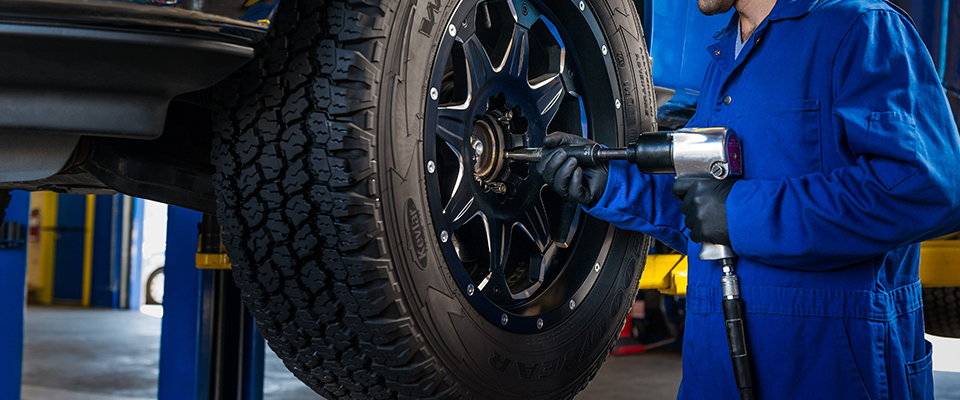

Seasonal temperature shifts place extra stress on your vehicle. Extreme heat can strain cooling systems and batteries, while freezing conditions challenge tires, fluids, and engine components. Preparing your car for both summer and winter ensures reliability, safety, and long-term performance.
This seasonal checklist helps you stay ahead of weather-related issues and avoid unexpected breakdowns.
Why Seasonal Maintenance Matters
Weather affects:
- Engine performance
- Tire traction
- Battery efficiency
- Fluid viscosity
- Brake responsiveness
Preventive adjustments before temperatures change can reduce wear and extend vehicle life.
Summer Car Care Checklist
Hot weather increases the risk of overheating and fluid evaporation. Focus on cooling and ventilation systems during warmer months.
1. Inspect the Cooling System
High temperatures strain the radiator and coolant system.
Check:
- Coolant levels and concentration
- Radiator hoses for cracks
- Radiator cap condition
- Signs of leaks
Flushing and replacing coolant at recommended intervals prevents overheating.
2. Test the Air Conditioning System
A properly functioning AC system ensures comfort and prevents window fogging.
- Confirm cold airflow
- Listen for unusual noises
- Check refrigerant levels if cooling is weak
Servicing the system early avoids midsummer breakdowns.
3. Examine the Battery
Heat accelerates battery wear.
Inspect for:
- Corrosion on terminals
- Swollen battery casing
- Slow engine starts
Replacing a weak battery before failure prevents unexpected roadside issues.
4. Monitor Tire Pressure
Hot air expands inside tires, potentially causing overinflation.
- Check tire pressure monthly
- Inspect tread depth
- Look for uneven wear
Proper tire pressure improves safety and fuel efficiency.
5. Check Engine Oil and Fluids
High temperatures can thin engine oil and stress transmission fluid.
Ensure:
- Oil levels are correct
- Oil is clean and within service interval
- Transmission and brake fluids are at proper levels
Winter Car Care Checklist
Cold weather affects traction, battery output, and fluid performance. Winter preparation focuses on stability and cold-start reliability.
1. Check Antifreeze Levels
Antifreeze prevents coolant from freezing in low temperatures.
- Verify proper coolant mixture
- Inspect for leaks
- Replace old coolant if needed
Proper antifreeze concentration protects the engine block.
2. Install Winter Tires (If Necessary)
In regions with snow or ice, winter tires provide superior grip.
Benefits include:
- Better traction
- Shorter braking distances
- Improved handling in freezing conditions
Switching tires seasonally enhances road safety.
3. Inspect the Battery
Cold weather reduces battery efficiency.
- Test battery charge before winter
- Clean terminals
- Replace aging batteries proactively
Many battery failures occur during the first cold snap.
4. Check Wiper Blades and Washer Fluid
Visibility is critical in snow and rain.
- Replace worn wiper blades
- Use winter-grade windshield washer fluid
- Ensure defrosters function properly
Clear visibility reduces accident risk.
5. Inspect Brakes and Suspension
Slippery roads demand optimal braking and stability.
Check:
- Brake pad thickness
- Rotor condition
- Suspension components
Reliable braking performance is essential in winter driving.
Year-Round Maintenance Essentials
Some maintenance tasks apply regardless of season.
1. Follow Manufacturer Service Intervals
Routine services such as oil changes, filter replacements, and spark plug inspections maintain consistent performance.
2. Inspect Belts and Hoses
Rubber components deteriorate over time. Replace cracked or worn belts before failure.
3. Protect the Exterior
- Wash regularly
- Apply wax for paint protection
- Clean undercarriage to remove road salt in winter
Preventing corrosion extends body life.
Emergency Kit for Seasonal Preparedness
Keep essential items in your vehicle year-round, especially in winter.
Recommended items:
- Jumper cables
- Flashlight
- First-aid kit
- Tire pressure gauge
- Blanket (winter)
- Water (summer)
Preparation improves safety during unexpected breakdowns.
Final Thoughts
Seasonal car care is a proactive approach to vehicle ownership. Preparing for summer heat and winter cold reduces mechanical stress, enhances safety, and prevents expensive repairs. A consistent maintenance routine ensures your vehicle performs reliably in all weather conditions.
Planning ahead protects both your investment and your peace of mind.
Frequently Asked Questions (FAQs)
1. How often should I switch between summer and winter tires?
Typically, when temperatures consistently fall below or rise above 45°F (7°C), it’s time to change tires.
2. Does extreme heat damage car batteries more than cold?
Yes. Heat often causes internal battery damage, even though cold weather exposes weakness.
3. Is antifreeze necessary in warmer climates?
Yes. Antifreeze also prevents overheating and corrosion, not just freezing.
4. Should I warm up my car before driving in winter?
Modern vehicles require minimal warm-up time. Gentle driving after startup is usually sufficient.
5. How can I prevent my car from overheating in summer traffic?
Ensure coolant levels are correct, check radiator fans, and avoid prolonged idling when possible.
6. Do all vehicles need winter tires?
Not always. In mild climates, all-season tires may be sufficient. In snowy or icy areas, winter tires improve safety significantly.
7. How can I protect my car’s paint during winter?
Regular washing and waxing, along with cleaning road salt from the undercarriage, help prevent corrosion and paint damage.

Comments are closed.