
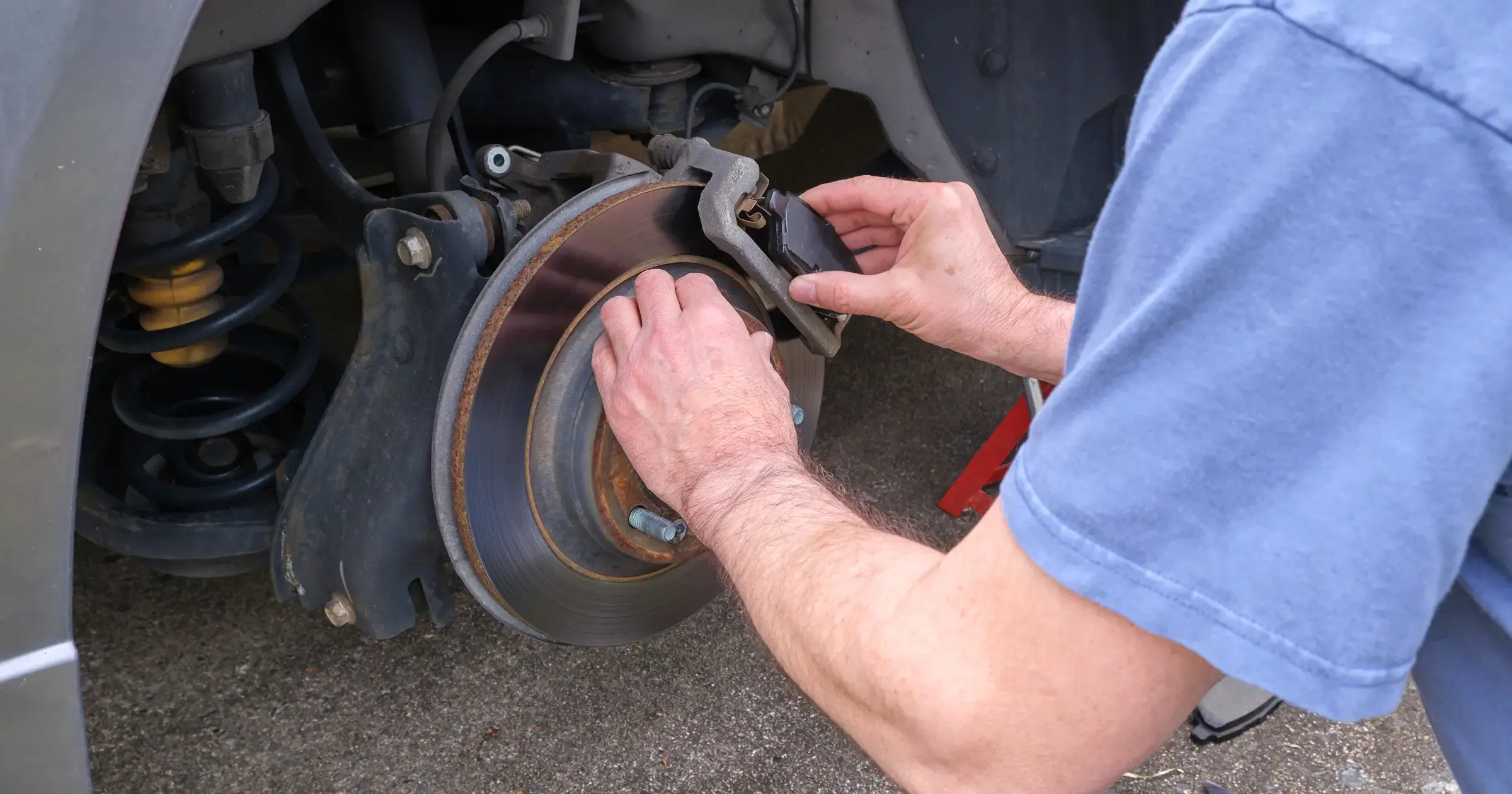

Keeping a vehicle reliable over the years depends largely on the quality of the parts installed during maintenance and repairs. Whether you drive a compact sedan, a heavy-duty truck, or a performance vehicle, investing in durable components reduces breakdowns, improves safety, and saves money in the long run.
This comprehensive guide explains how to identify high-quality auto parts, what to avoid, and how to make smart purchasing decisions that enhance long-term performance.
Why Quality Auto Parts Matter
Every component in your vehicle plays a role in performance, efficiency, and safety. Low-grade replacements may appear cost-effective initially, but they often lead to:
- Premature wear and repeated repairs
- Reduced fuel efficiency
- Compromised safety
- Lower resale value
High-quality parts, on the other hand, are engineered for durability, precise fitment, and optimal compatibility with your vehicle’s systems.
Understanding the Different Types of Auto Parts
Before making a purchase, it’s important to understand the categories available.
1. OEM (Original Equipment Manufacturer) Parts
OEM parts are produced by the same manufacturer that made the original components in your vehicle. They match factory specifications exactly.
Pros:
- Guaranteed fit and compatibility
- Backed by manufacturer warranties
- Maintains original vehicle performance
Cons:
- Typically more expensive
- Limited brand options
2. Aftermarket Parts
Aftermarket components are made by third-party manufacturers. Quality varies widely.
Pros:
- Often more affordable
- Wide selection of brands
- Performance-enhancing options available
Cons:
- Inconsistent quality across brands
- Possible fitment issues if poorly manufactured
3. Remanufactured and Rebuilt Parts
These are previously used parts restored to working condition.
Pros:
- Cost-effective
- Environmentally friendly
Cons:
- Lifespan may be shorter than new parts
- Quality depends on rebuilding standards
Key Factors to Consider When Choosing Auto Parts
Compatibility and Fit
A precise fit ensures smooth operation and prevents strain on adjacent components. Always:
- Verify your vehicle’s make, model, and year
- Check part numbers carefully
- Consult your owner’s manual
Incorrect fitment can reduce performance and cause further damage.
Material Quality
High-grade materials determine longevity. For example:
- Brake rotors should be made from high-carbon cast iron for better heat resistance
- Suspension components benefit from hardened steel or reinforced alloys
- Engine components require heat- and pressure-resistant materials
Cheap materials degrade quickly and compromise reliability.
Brand Reputation
Choose manufacturers known for quality engineering and testing standards. Reputable brands invest in:
- Advanced quality control
- Performance testing
- Industry certifications
Customer reviews and mechanic recommendations are valuable indicators of reliability.
Warranty Coverage
A solid warranty reflects manufacturer confidence. Look for:
- Clear coverage terms
- Reasonable warranty duration
- Straightforward claim processes
Avoid parts with no warranty or vague guarantees.
Critical Auto Parts Where Quality Matters Most
While all components matter, some parts have a greater impact on long-term performance and safety.
Braking System Components
Your brakes are directly tied to safety. Invest in:
- Premium brake pads
- High-quality rotors
- Durable calipers
Low-quality braking components can lead to overheating, vibration, and extended stopping distances.
Suspension and Steering Parts
Shock absorbers, struts, and control arms influence ride comfort and vehicle control. Inferior parts wear out quickly and affect alignment.
Engine Components
Timing belts, water pumps, and ignition coils must withstand intense heat and pressure. Failure here can cause major engine damage.
Battery and Electrical Parts
Electrical system reliability depends on durable wiring, sensors, and batteries with sufficient cold-cranking amps (CCA).
Signs of Low-Quality Auto Parts
Be cautious if you notice:
- Extremely low pricing compared to market averages
- Poor packaging or missing documentation
- No brand identification
- Rough finishes or visible defects
Quality components are typically well-packaged, clearly labeled, and professionally finished.
How to Balance Cost and Performance
Choosing the most expensive part doesn’t always guarantee the best value. Consider:
- Total cost of ownership, not just purchase price
- Installation labor costs
- Expected lifespan
- Driving habits and vehicle usage
For daily commuting, OEM or high-quality aftermarket parts often provide the best balance. For performance driving or towing, premium upgrades may be worthwhile.
Maintenance Practices That Extend Part Life
Even the best parts require proper care.
- Follow manufacturer service intervals
- Use recommended fluids and lubricants
- Address minor issues early
- Avoid aggressive driving habits
Preventive maintenance protects your investment and ensures consistent performance.
Where to Buy High-Quality Auto Parts
Reliable sources include:
- Authorized dealerships
- Established auto parts retailers
- Certified online suppliers
- Trusted local auto shops
Always verify authenticity, check return policies, and ensure customer support availability.
Final Thoughts
Selecting high-quality auto parts is one of the most important decisions a vehicle owner can make. Durable components enhance safety, preserve performance, and minimize long-term expenses. By focusing on compatibility, materials, brand reputation, and warranty coverage, you can confidently choose parts that keep your vehicle running efficiently for years.
Frequently Asked Questions (FAQs)
1. Are aftermarket parts always inferior to OEM parts?
No. Many reputable aftermarket manufacturers produce parts that match or exceed OEM standards. The key is selecting trusted brands with strong quality control.
2. How can I verify if an auto part is authentic?
Check for proper branding, serial numbers, manufacturer packaging, and warranty documentation. Buying from authorized sellers also reduces the risk of counterfeit parts.
3. How often should critical components like brake pads be replaced?
Brake pad lifespan varies by driving style and conditions, but most require replacement every 30,000 to 70,000 miles. Regular inspections are recommended.
4. Is it worth upgrading to performance parts for daily driving?
Performance parts may offer enhanced durability or responsiveness, but they are not always necessary for standard commuting. Evaluate your driving needs before upgrading.
5. Do expensive parts always last longer?
Not necessarily. Longevity depends on material quality, engineering, and proper installation rather than price alone.
6. Can installing low-quality parts void my vehicle warranty?
In some cases, yes. If a substandard part causes damage, the manufacturer may deny warranty claims related to that failure.
7. Should I install auto parts myself or hire a professional?
Simple components can be installed by experienced DIYers, but complex systems—such as brakes, suspension, and engine parts—are best handled by certified technicians to ensure safety and proper fitment.

Comments are closed.