
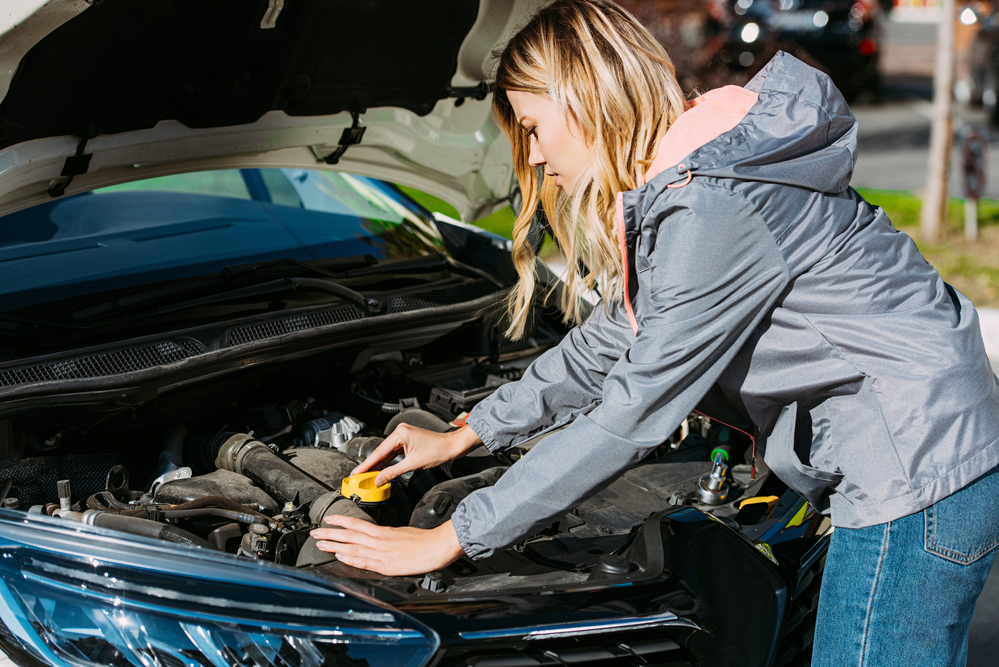

Car repairs are unavoidable, but many expensive breakdowns stem from preventable mistakes. Whether you handle basic maintenance yourself or rely on a professional mechanic, understanding common repair errors can save money, protect your vehicle, and improve long-term reliability.
Below are the most frequent car repair mistakes and practical ways to avoid them.
1. Ignoring Warning Lights
Dashboard warning lights are early alerts, not suggestions.
Common mistakes:
- Continuing to drive with a flashing check engine light
- Ignoring oil pressure or temperature warnings
- Assuming the issue is minor without diagnosis
How to avoid it:
- Scan diagnostic codes promptly
- Address urgent warnings immediately
- Schedule professional inspection if unsure
Early intervention prevents engine and transmission damage.
2. Using Low-Quality Replacement Parts
Cheap components often fail sooner and may damage surrounding systems.
Risks include:
- Poor fitment
- Reduced performance
- Shorter lifespan
- Voided warranties
How to avoid it:
- Choose reputable brands
- Verify compatibility using your vehicle’s specifications
- Check warranty coverage before purchase
Quality parts cost more upfront but reduce repeat repairs.
3. Skipping Routine Maintenance
Delaying basic maintenance is one of the most expensive long-term mistakes.
Commonly skipped tasks:
- Oil changes
- Brake inspections
- Tire rotations
- Fluid replacements
How to avoid it:
- Follow the manufacturer’s service schedule
- Keep maintenance records
- Set reminders for recurring services
Preventive care reduces major mechanical failures.
4. Attempting Complex Repairs Without Proper Knowledge
DIY repairs can save money, but complex systems require expertise.
High-risk repairs include:
- Timing belt replacement
- Brake system overhauls
- Transmission repairs
- Electrical diagnostics
How to avoid it:
- Know your skill limits
- Use proper tools and manuals
- Seek professional help for critical systems
Incorrect installation can cause further damage and safety risks.
5. Overlooking Small Leaks
Small fluid leaks often go unnoticed until serious damage occurs.
Common leak sources:
- Engine oil
- Coolant
- Transmission fluid
- Brake fluid
How to avoid it:
- Check under your car regularly
- Inspect fluid levels monthly
- Address leaks immediately
Ignoring leaks can result in overheating or component failure.
6. Neglecting Tire Maintenance
Tires directly impact safety and fuel efficiency.
Common mistakes:
- Driving with improper tire pressure
- Ignoring uneven wear
- Delaying wheel alignment
How to avoid it:
- Check tire pressure monthly
- Rotate tires at recommended intervals
- Replace worn tires promptly
Proper tire care prevents suspension damage and improves handling.
7. Misdiagnosing the Problem
Replacing parts without proper diagnosis wastes money.
For example:
- Replacing a battery when the alternator is faulty
- Changing spark plugs when fuel delivery is the issue
How to avoid it:
- Use diagnostic tools
- Seek professional evaluation when needed
- Avoid guessing based on symptoms alone
Accurate diagnosis saves both time and money.
8. Delaying Brake Repairs
Brake issues worsen quickly if ignored.
Warning signs include:
- Squealing or grinding sounds
- Vibrations while braking
- Increased stopping distance
How to avoid it:
- Inspect brakes regularly
- Replace pads before they wear down completely
- Avoid driving with grinding brakes
Timely brake service prevents rotor and caliper damage.
9. Using the Wrong Fluids
Vehicles require specific fluid types and grades.
Common errors:
- Mixing coolant types
- Using incorrect engine oil viscosity
- Filling transmission with improper fluid
How to avoid it:
- Consult your owner’s manual
- Verify product specifications
- Avoid mixing incompatible fluids
Incorrect fluids can lead to overheating, wear, and system failure.
10. Ignoring Strange Noises or Vibrations
Unusual sounds are rarely harmless.
Examples:
- Knocking engine noise
- Suspension clunking
- Steering wheel shaking
How to avoid it:
- Investigate noises promptly
- Avoid long-distance driving with known issues
- Schedule inspections at the first sign of abnormal behavior
Early repairs cost less than major mechanical rebuilds.
Why Small Mistakes Become Expensive
Minor issues escalate because vehicle systems are interconnected. A neglected oil leak can cause overheating. Worn brake pads can damage rotors. Poor tire alignment can strain suspension components.
Prompt action minimizes repair costs and extends vehicle life.
Final Thoughts
Car repair mistakes often stem from delay, poor-quality parts, or incorrect diagnosis. Staying proactive, using reliable components, and seeking professional assistance when needed can prevent costly repairs. Smart maintenance habits ensure safer driving and long-term savings.
Frequently Asked Questions (FAQs)
1. How do I know if a repair estimate is reasonable?
Compare quotes from multiple reputable repair shops and review itemized breakdowns of parts and labor.
2. Is it safe to use aftermarket parts for all repairs?
Many aftermarket parts are reliable, but quality varies. Research brands and ensure compatibility before purchasing.
3. Can driving short distances frequently cause repair issues?
Yes. Short trips may prevent the engine from reaching optimal temperature, leading to moisture buildup and increased wear.
4. How often should I inspect my vehicle for leaks?
A quick visual inspection every few weeks and after long trips can help detect leaks early.
5. What tools should every car owner keep on hand?
Basic tools include a tire pressure gauge, jumper cables, a socket set, and a code reader for diagnostic checks.
6. Does skipping one maintenance service cause major damage?
One missed service may not cause immediate failure, but repeated neglect increases long-term repair risks.
7. Should I repair minor cosmetic damage immediately?
Cosmetic issues like small paint chips should be addressed early to prevent rust and corrosion from spreading.

Comments are closed.