
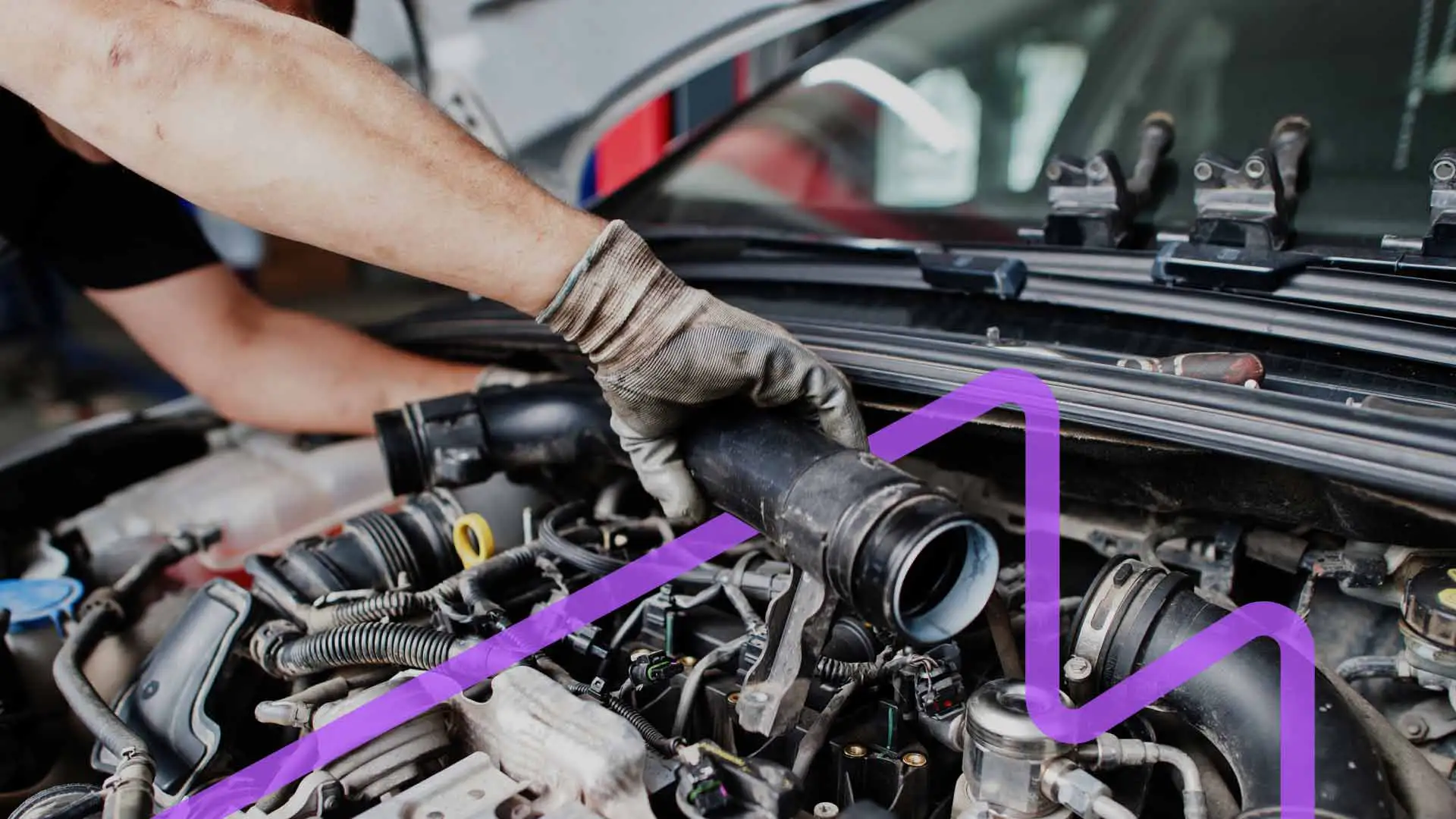

When your vehicle needs repairs, one of the first decisions you’ll face is whether to choose OEM (Original Equipment Manufacturer) parts or aftermarket alternatives. The difference goes beyond price. It affects performance, longevity, warranty protection, and even resale value.
Understanding how these two categories compare helps you make informed, cost-effective decisions without compromising reliability.
What Are OEM Auto Parts?
OEM parts are made by the same manufacturer that produced the original components installed in your vehicle at the factory. These parts match the exact specifications, materials, and engineering standards used during production.
Key Characteristics of OEM Parts
- Manufactured by the vehicle brand or its authorized supplier
- Identical to factory-installed components
- Sold through dealerships and authorized distributors
- Typically include manufacturer-backed warranties
Advantages of OEM Parts
- Guaranteed fit and compatibility
- Maintains original performance standards
- Simplifies part selection (no guesswork)
- Supports factory warranty compliance
Potential Drawbacks
- Higher upfront cost
- Limited brand selection
- May need to order through dealerships
OEM parts are often the preferred option for newer vehicles or when maintaining factory-level performance is essential.
What Are Aftermarket Auto Parts?
Aftermarket parts are produced by third-party manufacturers rather than the original vehicle maker. These companies design components to fit a wide range of vehicles, often offering multiple quality tiers.
Key Characteristics of Aftermarket Parts
- Manufactured by independent companies
- Available from numerous brands
- Sold through auto parts stores and online retailers
- Offered at various price and quality levels
Advantages of Aftermarket Parts
- Lower cost options
- Wider variety of brands and materials
- Performance upgrades available
- Easier accessibility
Potential Drawbacks
- Quality can vary significantly
- Possible fitment inconsistencies
- Warranty coverage differs by manufacturer
High-quality aftermarket brands often meet or exceed OEM standards, but careful selection is essential.
OEM vs Aftermarket: Side-by-Side Comparison
1. Price
- OEM: Generally more expensive
- Aftermarket: Typically more affordable
Lower cost does not always mean lower quality, but extremely cheap parts should raise concerns.
2. Fit and Compatibility
- OEM: Exact match, factory specification
- Aftermarket: Designed to fit, but precision may vary
OEM eliminates compatibility uncertainty.
3. Quality Consistency
- OEM: Uniform quality control standards
- Aftermarket: Wide range from premium to budget-grade
Choosing reputable aftermarket brands reduces risk.
4. Warranty Protection
- OEM: Often supported by vehicle manufacturer warranty
- Aftermarket: Warranty terms vary by brand
For vehicles still under factory warranty, OEM parts can offer peace of mind.
5. Performance Options
- OEM: Designed for original factory performance
- Aftermarket: Offers enhanced or performance-focused upgrades
Drivers seeking customization often prefer aftermarket solutions.
When Should You Choose OEM Parts?
OEM parts are typically the best choice when:
- Your vehicle is still under factory warranty
- You want guaranteed fitment
- You plan to maintain resale value
- The repair involves critical systems such as airbags or electronic modules
For newer vehicles or complex electronic components, OEM often reduces risk.
When Are Aftermarket Parts a Smart Option?
Aftermarket parts may be ideal if:
- Your vehicle is out of warranty
- You want cost savings without sacrificing quality
- You’re upgrading performance components
- The part is non-critical (e.g., cosmetic trim, filters)
Selecting trusted brands ensures durability and safe operation.
Common Auto Parts Where the Choice Matters Most
Braking Components
Brake pads and rotors require high durability. Premium aftermarket brands often perform as well as OEM, but low-grade alternatives can affect stopping distance.
Suspension Parts
Struts, shocks, and control arms influence ride comfort and handling. Quality is essential regardless of category.
Engine Components
Timing belts, sensors, and ignition parts should meet strict specifications. For precision systems, OEM is frequently safer.
Body Panels and Cosmetic Parts
Aftermarket options can be cost-effective, though paint matching and panel alignment may require extra attention.
How to Identify High-Quality Aftermarket Brands
Not all aftermarket parts are equal. Look for:
- Established brand reputation
- Verified customer reviews
- Clear warranty terms
- Industry certifications
- Professional packaging and labeling
Avoid unbranded or suspiciously cheap components.
Cost vs Long-Term Value
Choosing between OEM and aftermarket should not focus solely on price. Consider:
- Installation labor costs
- Expected lifespan
- Impact on fuel efficiency
- Risk of repeat repairs
Spending slightly more on reliable parts can prevent higher expenses later.
Final Thoughts
The decision between OEM and aftermarket auto parts depends on your vehicle’s age, budget, and performance expectations. OEM parts offer certainty and factory precision, while aftermarket options provide affordability and flexibility. With careful evaluation, both can deliver long-term reliability and strong performance.
Making informed choices ensures your vehicle remains safe, efficient, and dependable for years to come.
Frequently Asked Questions (FAQs)
1. Can using aftermarket parts void my vehicle warranty?
In many cases, simply using aftermarket parts does not void the warranty. However, if a part causes damage due to poor quality or improper installation, warranty claims related to that failure may be denied.
2. Are aftermarket parts regulated for safety?
Many reputable manufacturers follow strict industry standards, but regulation levels can vary. Always choose brands that meet recognized safety and quality certifications.
3. Do insurance companies prefer OEM parts for repairs?
Some insurers approve aftermarket parts to reduce repair costs. However, policies differ, and you can often request OEM parts depending on coverage terms.
4. Is there a noticeable performance difference between OEM and aftermarket brake pads?
High-quality aftermarket brake pads can match or even exceed OEM performance. Low-grade options, however, may wear faster or produce more noise.
5. Why are OEM parts more expensive?
OEM parts include brand assurance, research and development costs, and dealership distribution expenses, which contribute to higher pricing.
6. Are aftermarket parts better for car modifications?
Yes. Aftermarket manufacturers often specialize in performance enhancements and customization options not available from OEM suppliers.
7. How can I compare part specifications before buying?
Check part numbers, material descriptions, manufacturer details, warranty coverage, and verified customer feedback to ensure the part meets your vehicle’s requirements.

Comments are closed.