
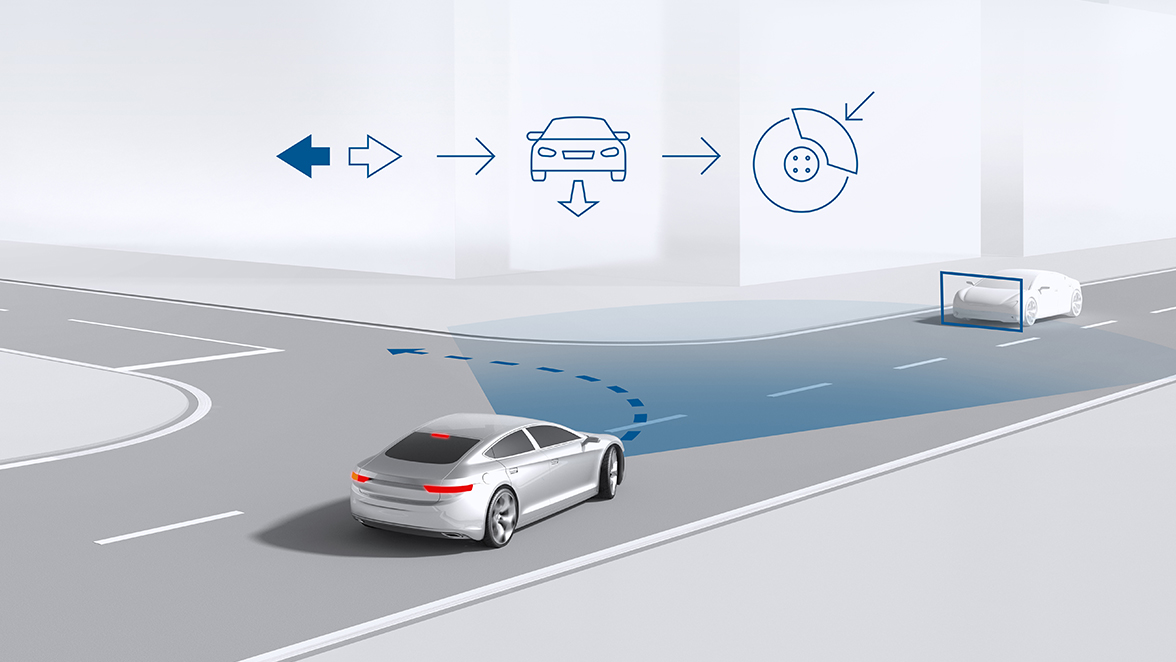

The driving experience today looks very different from what it did a decade ago. Vehicles are no longer just mechanical machines; they are sophisticated systems powered by software, sensors, and advanced connectivity. From electric drivetrains to driver-assistance systems, emerging automotive technologies are reshaping safety, efficiency, and convenience.
Understanding these innovations helps drivers make smarter purchasing decisions and adapt confidently to the future of mobility.
Electric Vehicles (EVs) and Electrification
Electrification is one of the most significant shifts in the automotive industry. Electric vehicles (EVs) run on battery power instead of traditional internal combustion engines.
Key Benefits of EV Technology
- Lower emissions compared to gasoline vehicles
- Reduced fuel costs
- Quieter operation
- Fewer moving parts, leading to less maintenance
Hybrid and plug-in hybrid systems bridge the gap between traditional engines and full electric platforms, giving drivers flexibility during the transition to full electrification.
Battery technology continues to improve, offering longer ranges and faster charging times, making EVs increasingly practical for everyday use.
Advanced Driver-Assistance Systems (ADAS)
Modern vehicles increasingly feature Advanced Driver-Assistance Systems (ADAS) designed to enhance safety and reduce driver fatigue.
Common ADAS Features
- Adaptive cruise control
- Lane-keeping assistance
- Automatic emergency braking
- Blind-spot monitoring
- Rear cross-traffic alerts
These systems rely on cameras, radar, and sensors to monitor surroundings and assist with steering, braking, and acceleration. While not fully autonomous, ADAS significantly reduces accident risks when used properly.
Autonomous Driving Technology
Self-driving technology is progressing rapidly. Autonomous systems use a combination of:
- Artificial intelligence
- Machine learning algorithms
- LiDAR and radar sensors
- High-definition mapping
Vehicles with partial automation can handle specific tasks, such as highway driving under supervision. Fully autonomous vehicles are still under development and regulatory review in many regions.
Although widespread adoption will take time, automation has the potential to reduce traffic accidents caused by human error.
Vehicle Connectivity and Smart Integration
Connected vehicles transform cars into mobile digital platforms.
Features of Connected Cars
- Real-time navigation updates
- Over-the-air (OTA) software updates
- Smartphone integration
- Remote vehicle diagnostics
- Emergency assistance services
Drivers can now control climate settings, check vehicle status, or locate their car using mobile apps. Over-the-air updates also allow manufacturers to improve vehicle performance without requiring dealership visits.
Artificial Intelligence in Modern Vehicles
Artificial intelligence enhances both safety and personalization.
AI systems can:
- Analyze driving habits
- Optimize fuel or energy efficiency
- Predict maintenance needs
- Provide voice-activated assistance
These systems learn over time, adapting to driver preferences and improving the overall driving experience.
Enhanced Safety Innovations
Emerging technologies go beyond ADAS to include structural and predictive safety improvements.
Examples Include:
- 360-degree camera systems
- Driver attention monitoring
- Pedestrian detection systems
- Advanced airbag deployment algorithms
Modern vehicles are engineered with smart materials and data-driven crash prevention systems that significantly reduce injury risk.
Sustainable Materials and Manufacturing
Sustainability extends beyond electric powertrains. Automakers are increasingly using:
- Recycled plastics
- Bio-based materials
- Lightweight composites
- Energy-efficient manufacturing processes
Reducing vehicle weight improves efficiency, while sustainable production lowers environmental impact across the supply chain.
The Rise of Software-Defined Vehicles
Today’s cars depend heavily on software. Many functions, from entertainment systems to engine tuning, are controlled digitally.
Benefits of Software Integration
- Continuous feature upgrades
- Improved diagnostics
- Customizable driving modes
- Enhanced cybersecurity systems
As vehicles become more software-driven, regular updates will become as common as smartphone upgrades.
How These Technologies Affect Everyday Drivers
Emerging automotive technologies influence daily driving in practical ways:
- Safer commutes through collision prevention systems
- Lower operating costs with electric drivetrains
- Reduced driver fatigue during long trips
- Increased convenience through mobile integration
Drivers must also adapt by learning new systems and staying aware of evolving regulations around automation.
Challenges and Considerations
Despite clear advantages, there are challenges:
- Higher initial vehicle costs
- Charging infrastructure limitations in some regions
- Cybersecurity risks
- Data privacy concerns
- Regulatory uncertainty around autonomous systems
Balanced adoption and informed decision-making remain essential.
The Future of Driving
The automotive industry is shifting toward a future defined by electrification, connectivity, and automation. As technology advances, vehicles will become safer, cleaner, and more intelligent. While human drivers remain central to the experience, technology is steadily reshaping the role we play behind the wheel.
Embracing these changes ensures drivers stay prepared for the next era of mobility.
Frequently Asked Questions (FAQs)
1. Are electric vehicles more expensive to maintain than gasoline cars?
Generally, EVs require less maintenance because they have fewer moving parts and do not need oil changes. However, battery replacement can be costly if required outside warranty coverage.
2. Do driver-assistance systems make cars fully autonomous?
No. ADAS features assist drivers but still require human supervision. Full autonomy involves higher levels of automation that are still being developed and regulated.
3. How secure are connected vehicles from hacking?
Manufacturers implement cybersecurity protocols, but connected vehicles can still face risks. Regular software updates help maintain system security.
4. Will electric vehicles completely replace gasoline cars?
While EV adoption is growing rapidly, gasoline and hybrid vehicles are likely to remain in use for years due to infrastructure and market diversity.
5. How do over-the-air updates improve vehicles?
OTA updates allow manufacturers to fix software issues, improve performance, and add new features without requiring a physical service visit.
6. Are autonomous vehicles safer than human drivers?
Early data suggests automation can reduce accidents caused by human error, but widespread safety validation is still ongoing.
7. What skills will drivers need in technology-driven vehicles?
Drivers will need to understand digital interfaces, monitor driver-assistance systems properly, and stay informed about evolving safety features and regulations.

Comments are closed.