
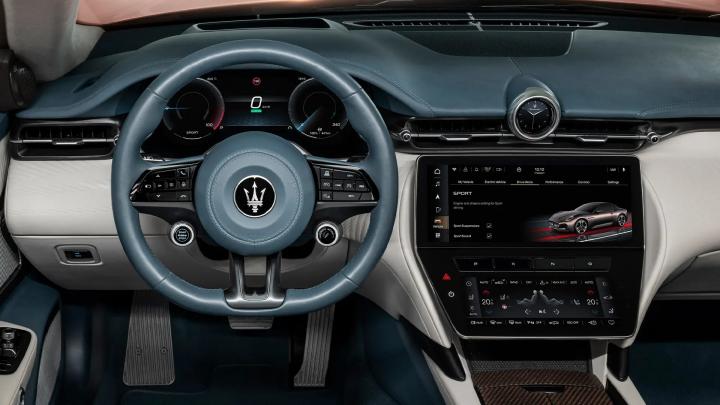

Every time you get behind the wheel, you share the road with drivers who may be distracted, impatient, or unpredictable. Defensive driving is not about driving slowly—it’s about staying alert, anticipating danger, and making smart decisions before problems develop.
Mastering these techniques can dramatically reduce your risk of collisions and help protect everyone on the road.
Maintain a Safe Following Distance
Tailgating reduces your reaction time and increases collision risk.
Follow the three-second rule:
- Choose a fixed object ahead
- Ensure at least three seconds pass before your car reaches it
In rain, snow, or heavy traffic, extend that distance to four or five seconds.
Scan the Road Ahead
Defensive drivers look beyond the car directly in front of them.
Practice:
- Watching traffic patterns 10–15 seconds ahead
- Monitoring brake lights in the distance
- Anticipating lane changes and merging vehicles
Early awareness gives you more time to react safely.
Eliminate Distractions
Distractions reduce awareness and delay reaction time.
Avoid:
- Texting or checking notifications
- Adjusting navigation while driving
- Eating or handling objects
Keep your hands on the wheel and your focus on the road at all times.
Anticipate Other Drivers’ Mistakes
Not all drivers follow traffic laws consistently.
Defensive driving means:
- Expecting sudden stops
- Watching for drivers who drift between lanes
- Being cautious at intersections
Assume other drivers may not see you and position your vehicle accordingly.
Use Your Mirrors Effectively
Regular mirror checks improve situational awareness.
Best habits include:
- Checking mirrors every 5–8 seconds
- Looking over your shoulder before lane changes
- Monitoring blind spots carefully
Awareness of surrounding traffic reduces collision risk.
Control Your Speed
Speed affects stopping distance and collision severity.
To stay safe:
- Follow posted speed limits
- Reduce speed in poor weather
- Slow down near schools and residential areas
Driving at appropriate speeds allows better control and quicker reactions.
Position Your Vehicle Strategically
Your position on the road influences safety.
Smart positioning includes:
- Avoiding blind spots of large trucks
- Leaving escape routes in traffic
- Staying visible to other drivers
Creating space around your vehicle gives you room to maneuver in emergencies.
Respond Calmly to Aggressive Drivers
Road rage can escalate quickly.
If confronted by an aggressive driver:
- Do not engage
- Avoid eye contact
- Change lanes safely
- Allow them to pass
Remaining calm prevents dangerous confrontations.
Prepare for Emergency Situations
Unexpected events happen quickly.
Be prepared to:
- Brake firmly but smoothly
- Steer around obstacles
- Pull over safely
- Use hazard lights when necessary
Practicing defensive techniques improves response during critical moments.
Adjust for Weather and Road Conditions
Rain, snow, fog, and ice demand extra caution.
In poor conditions:
- Increase following distance
- Use headlights appropriately
- Avoid sudden braking or sharp turns
- Drive at reduced speeds
Weather-related adjustments reduce accident risk.
Final Thoughts
Defensive driving is about awareness, patience, and preparation. By maintaining safe distances, anticipating hazards, eliminating distractions, and adjusting to conditions, you significantly reduce your risk of serious accidents. Safe driving habits not only protect you but also safeguard passengers and fellow road users.
Smart decisions behind the wheel can truly save lives.
Frequently Asked Questions (FAQs)
1. How does defensive driving differ from regular driving?
Defensive driving focuses on anticipating hazards and proactively avoiding potential dangers rather than simply following traffic laws.
2. Is defensive driving only important in heavy traffic?
No. Defensive driving is essential in all conditions, including highways, rural roads, and light traffic situations.
3. Can defensive driving improve fuel efficiency?
Yes. Smooth acceleration, steady speeds, and reduced aggressive behavior often improve fuel economy.
4. How often should I check my mirrors while driving?
Experts recommend checking mirrors every few seconds to stay aware of surrounding vehicles.
5. What is the safest way to change lanes?
Signal early, check mirrors, look over your shoulder for blind spots, and change lanes smoothly without sudden movements.
6. Should I take a defensive driving course?
Yes. Professional courses improve awareness, reaction skills, and often provide insurance discounts.
7. Does defensive driving reduce accident rates?
Studies consistently show that drivers who practice defensive techniques are less likely to be involved in collisions.

Comments are closed.