
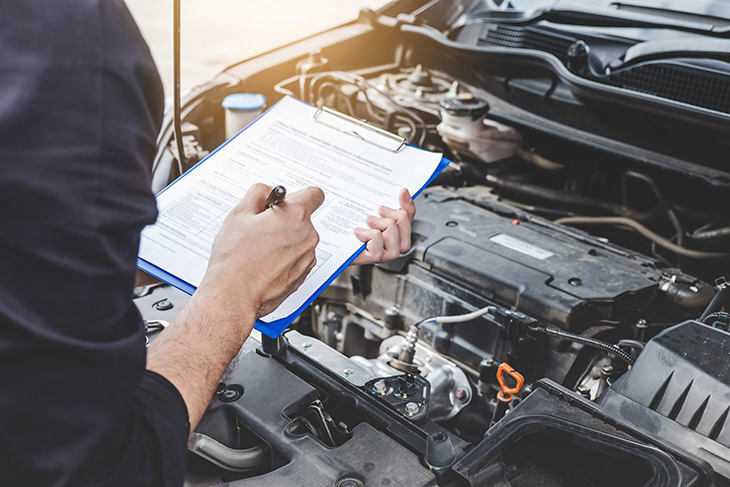

A vehicle is a long-term investment, and like any machine, it performs best with consistent care. Preventive maintenance is not just about avoiding breakdowns—it’s about preserving performance, safety, and resale value. Small, routine actions can prevent costly repairs and significantly extend the lifespan of your car.
Below are practical, proven maintenance strategies every driver should follow.
1. Follow a Regular Oil Change Schedule
Engine oil lubricates moving parts, reduces friction, and prevents overheating. Over time, oil breaks down and collects contaminants.
Best practices:
- Change oil according to your manufacturer’s mileage interval
- Use the recommended oil grade
- Replace the oil filter during each change
- Check oil levels monthly
Clean oil protects engine components and improves fuel efficiency.
2. Monitor and Maintain Fluid Levels
Your vehicle depends on multiple fluids to function properly.
Essential fluids to check regularly:
- Coolant
- Brake fluid
- Transmission fluid
- Power steering fluid
- Windshield washer fluid
Low or contaminated fluids can lead to overheating, brake failure, or transmission damage.
3. Inspect and Rotate Tires
Tires affect safety, fuel economy, and ride quality.
Tire maintenance tips:
- Check tire pressure monthly
- Rotate tires every 5,000–8,000 miles
- Inspect tread depth regularly
- Schedule wheel alignment when necessary
Proper tire care ensures even wear and better traction.
4. Replace Air Filters on Schedule
Air filters protect your engine from dirt and debris.
A clogged engine air filter can:
- Reduce fuel efficiency
- Decrease acceleration
- Increase engine strain
Cabin air filters should also be replaced periodically to maintain air quality inside the vehicle.
5. Maintain the Braking System
Brake components wear down with regular use.
Watch for:
- Squealing or grinding sounds
- Vibrations during braking
- Soft brake pedal feel
Routine brake inspections prevent costly rotor damage and improve safety.
6. Check the Battery and Electrical System
Batteries typically last 3–5 years, but climate and driving habits affect lifespan.
Preventive steps:
- Inspect battery terminals for corrosion
- Test battery voltage annually
- Replace aging batteries before failure
A healthy electrical system ensures reliable starts and consistent performance.
7. Inspect Belts and Hoses
Rubber belts and hoses deteriorate over time.
Look for:
- Cracks or fraying
- Leaks around hose connections
- Squealing noises
Replacing worn belts early can prevent engine overheating or power loss.
8. Keep the Cooling System in Good Condition
Overheating can cause severe engine damage.
Cooling system maintenance includes:
- Checking coolant levels
- Flushing coolant at recommended intervals
- Inspecting radiator and hoses
Maintaining proper engine temperature protects internal components.
9. Follow the Manufacturer’s Service Schedule
Every vehicle comes with a recommended maintenance schedule based on mileage and time.
This typically includes:
- Spark plug replacement
- Timing belt or chain inspection
- Transmission service
- Comprehensive inspections
Adhering to these guidelines ensures optimal performance and longevity.
10. Drive Responsibly
Your driving habits directly impact your vehicle’s lifespan.
Habits that extend vehicle life:
- Avoid rapid acceleration and hard braking
- Allow the engine to warm up briefly in cold weather
- Avoid overloading the vehicle
- Reduce aggressive driving
Gentle driving reduces stress on the engine, transmission, and suspension.
11. Keep Your Car Clean

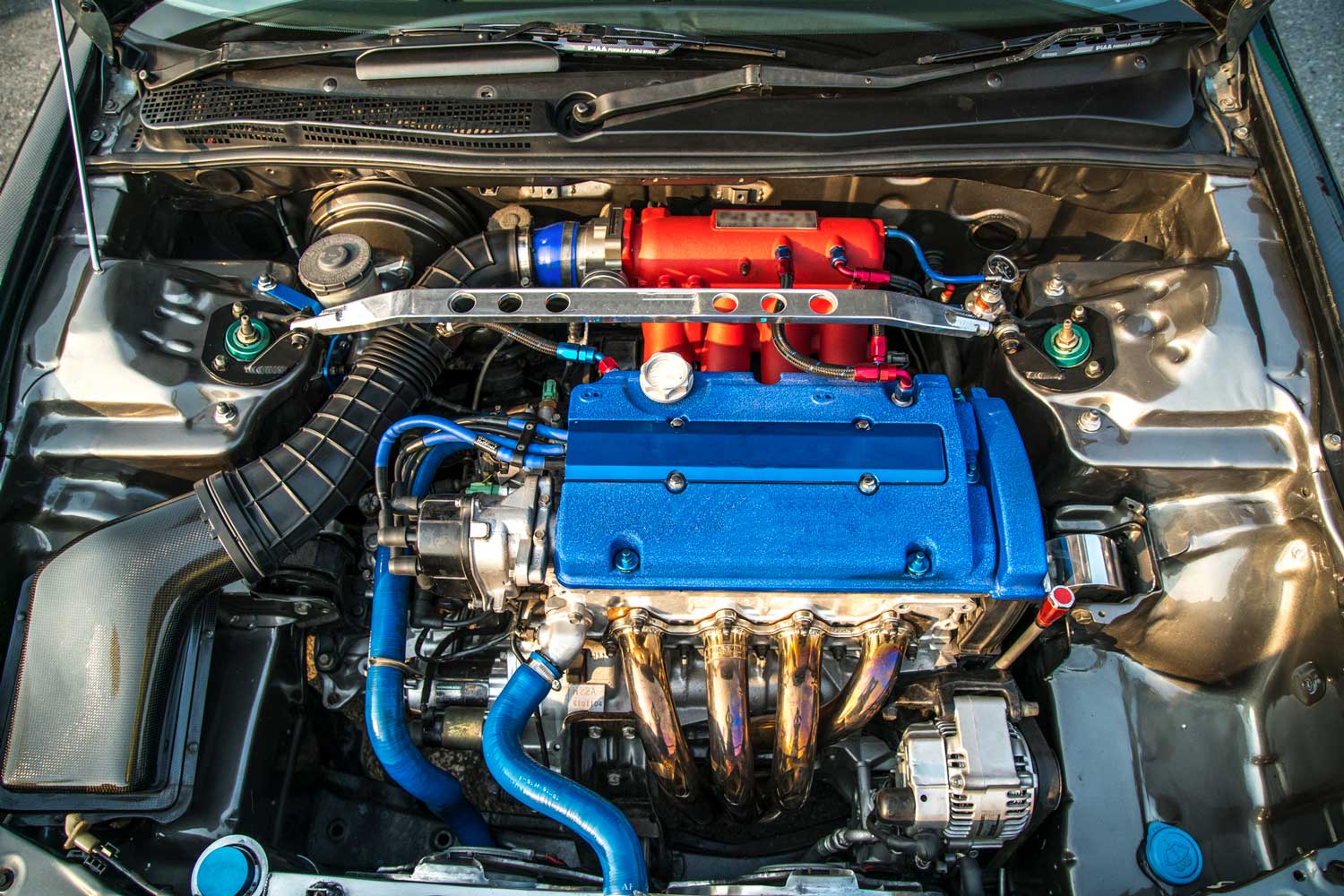

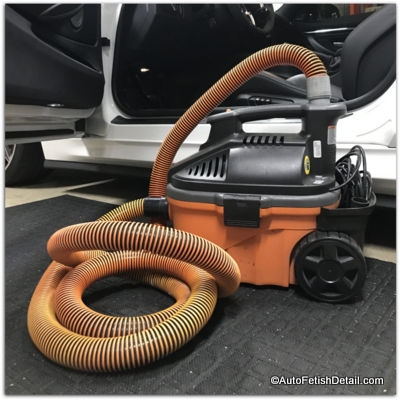
Cleaning is more than cosmetic.
- Wash regularly to prevent rust
- Apply wax to protect paint
- Clean the undercarriage in winter climates
- Maintain a clean interior to preserve materials
Removing dirt and road salt reduces corrosion and extends body life.
12. Address Minor Issues Promptly
Small problems can escalate quickly.
If you notice:
- Unusual noises
- Warning lights
- Minor leaks
- Reduced performance
Schedule an inspection before the issue worsens.
Why Preventive Maintenance Saves Money
Consistent maintenance:
- Reduces the likelihood of major breakdowns
- Improves fuel efficiency
- Preserves resale value
- Extends engine and transmission life
Spending modest amounts regularly prevents large repair bills later.
Final Thoughts
Extending the life of your car requires consistency, attention, and proactive care. Routine inspections, timely part replacements, and responsible driving habits keep your vehicle running efficiently for years. Preventive maintenance is not an expense—it is an investment in reliability, safety, and long-term savings.
Frequently Asked Questions (FAQs)
1. How often should I schedule a full vehicle inspection?
Most vehicles benefit from a comprehensive inspection once a year or every 12,000 miles, depending on driving conditions.
2. Is synthetic oil better for long-term engine health?
Synthetic oil generally provides better temperature stability and engine protection, especially in extreme climates or high-performance engines.
3. Can skipping one oil change cause serious damage?
Occasionally delaying an oil change may not cause immediate failure, but repeated neglect increases engine wear and sludge buildup.
4. How does preventive maintenance affect resale value?
Well-documented maintenance records increase buyer confidence and can significantly improve resale value.
5. What is the most commonly neglected maintenance task?
Tire pressure checks and fluid inspections are frequently overlooked but are critical for safety and efficiency.
6. Does short-distance driving affect vehicle lifespan?
Yes. Frequent short trips may prevent the engine from reaching optimal operating temperature, leading to increased wear over time.
7. Should I follow time-based or mileage-based service intervals?
Follow whichever comes first. Some components degrade over time even if the vehicle is not driven frequently.

Comments are closed.